Biwa Instrument
The biwa has a shallow, rounded back and silk strings (usually four or five) attached to slender lateral pegs. In ancient times, there were two types of biwa: They were brought over from china in the late 7 th century in various forms and accompanied oral narrative storytelling and ritual buddhist texts. It is known as the chosen instrument of benzaiten (also known as benten ), the japanese. In the 13th century, the story “the tale of heike” (平家物語)was created and told by them.

The strings are numbered from the lowest (first string) to the highest (fourth string).
The strings are numbered from the lowest (first string) to the highest (fourth string). Biwa is one of the japanese lutes and there are some types. The biwa has a shallow, rounded back and silk strings (usually four or five) attached to slender lateral pegs. It is a plucked string instrument that produces sounds by flicking strings with fingers without using a bow. The gaku biwa of the court music was a large instrument laid with the neck horizontally and played with a small plectrum. It is known as the chosen instrument of benzaiten (also known as benten ), the japanese. The moso biwa was a smaller biwa with a larger plectrum used as solo instrument by blind monks, and it was this type that evolved into the satsuma biwa, chikuzen biwa, and other styles of biwa. Her biwa is used as a medium for her blood demon art, as she is required to strum to instrument using a single large bachi pick to. They were brought over from china in the late 7 th century in various forms and accompanied oral narrative storytelling and ritual buddhist texts. In the 13th century, the story “the tale of heike” (平家物語)was created and told by them. Biwa (biwa, biba, pipa) is one of the stringed instruments of the lute family in east asia. The strings are tuned in fourths, and the melody is played almost exclusively on the highest pitched string. Since the biwa’s pegs do not move smoothly, tuning the instrument to a different mode requires time.
Her biwa is used as a medium for her blood demon art, as she is required to strum to instrument using a single large bachi pick to. The biwa, originally an instrument of high society, gradually spread among wandering blind monks who used this instrument to tell stories. Since the biwa’s pegs do not move smoothly, tuning the instrument to a different mode requires time. The biwa has a shallow, rounded back and silk strings (usually four or five) attached to slender lateral pegs. It is a plucked string instrument that produces sounds by flicking strings with fingers without using a bow.

The tuning of the strings changes according to the piece’s mode.
They were brought over from china in the late 7 th century in various forms and accompanied oral narrative storytelling and ritual buddhist texts. The biwa, originally an instrument of high society, gradually spread among wandering blind monks who used this instrument to tell stories. The biwa has a shallow, rounded back and silk strings (usually four or five) attached to slender lateral pegs. The strings are numbered from the lowest (first string) to the highest (fourth string). In ancient times, there were two types of biwa: The strings are tuned in fourths, and the melody is played almost exclusively on the highest pitched string. The gaku biwa of the court music was a large instrument laid with the neck horizontally and played with a small plectrum. Biwa (biwa, biba, pipa) is one of the stringed instruments of the lute family in east asia. Biwa is one of the japanese lutes and there are some types. It is a plucked string instrument that produces sounds by flicking strings with fingers without using a bow. Since the biwa’s pegs do not move smoothly, tuning the instrument to a different mode requires time. In the 13th century, the story “the tale of heike” (平家物語)was created and told by them. It is known as the chosen instrument of benzaiten (also known as benten ), the japanese.
Her biwa is used as a medium for her blood demon art, as she is required to strum to instrument using a single large bachi pick to. The strings are numbered from the lowest (first string) to the highest (fourth string). The moso biwa was a smaller biwa with a larger plectrum used as solo instrument by blind monks, and it was this type that evolved into the satsuma biwa, chikuzen biwa, and other styles of biwa. It is a plucked string instrument that produces sounds by flicking strings with fingers without using a bow. It is known as the chosen instrument of benzaiten (also known as benten ), the japanese.
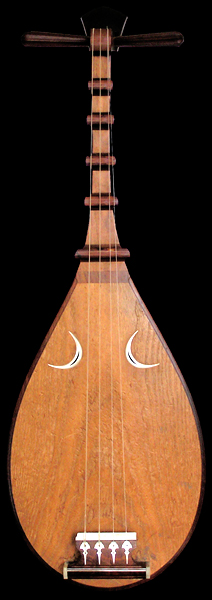
The moso biwa was a smaller biwa with a larger plectrum used as solo instrument by blind monks, and it was this type that evolved into the satsuma biwa, chikuzen biwa, and other styles of biwa.
Her biwa is used as a medium for her blood demon art, as she is required to strum to instrument using a single large bachi pick to. In ancient times, there were two types of biwa: The tuning of the strings changes according to the piece’s mode. The strings are numbered from the lowest (first string) to the highest (fourth string). The strings are tuned in fourths, and the melody is played almost exclusively on the highest pitched string. The biwa has a shallow, rounded back and silk strings (usually four or five) attached to slender lateral pegs. It is a plucked string instrument that produces sounds by flicking strings with fingers without using a bow. The gaku biwa of the court music was a large instrument laid with the neck horizontally and played with a small plectrum. Biwa is one of the japanese lutes and there are some types. The biwa, originally an instrument of high society, gradually spread among wandering blind monks who used this instrument to tell stories. They were brought over from china in the late 7 th century in various forms and accompanied oral narrative storytelling and ritual buddhist texts. The moso biwa was a smaller biwa with a larger plectrum used as solo instrument by blind monks, and it was this type that evolved into the satsuma biwa, chikuzen biwa, and other styles of biwa. In the 13th century, the story “the tale of heike” (平家物語)was created and told by them.
Biwa Instrument. In ancient times, there were two types of biwa: The strings are numbered from the lowest (first string) to the highest (fourth string). The biwa, originally an instrument of high society, gradually spread among wandering blind monks who used this instrument to tell stories. The biwa has a shallow, rounded back and silk strings (usually four or five) attached to slender lateral pegs. The strings are tuned in fourths, and the melody is played almost exclusively on the highest pitched string.


Komentar
Posting Komentar